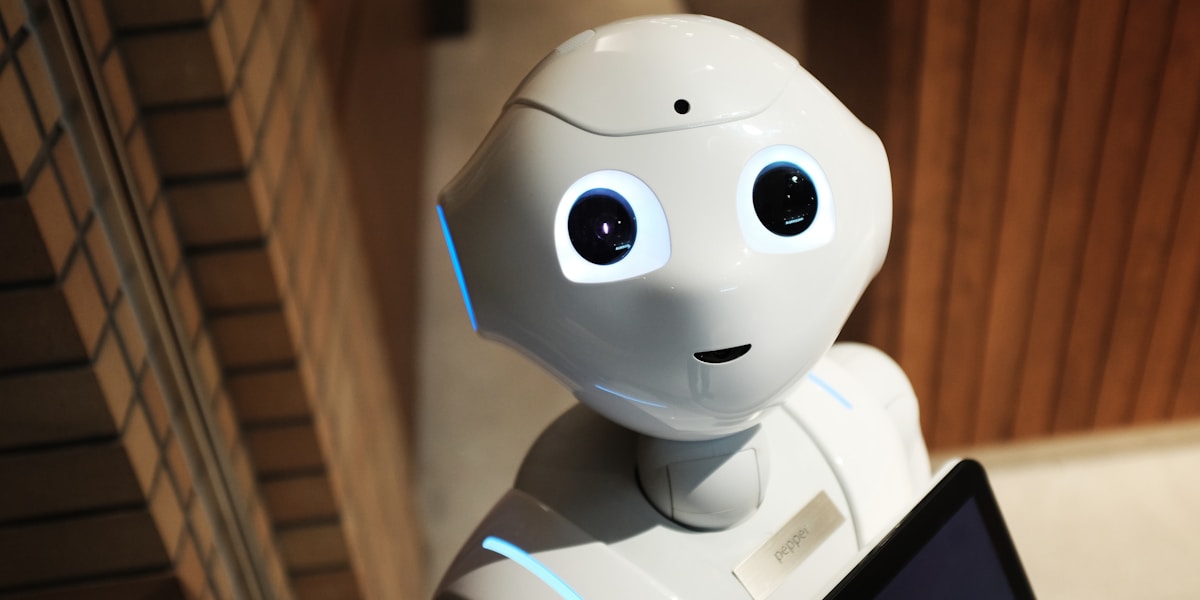
The year 2026 marks a pivotal moment in the evolution of artificial intelligence in customer service. What was once science fiction has become everyday reality for businesses worldwide. Virtual receptionists powered by advanced AI are now handling millions of customer interactions daily, transforming how companies operate and how customers experience service.
The Rise of Conversational AI
Natural Language Processing (NLP) has reached a point where AI can understand context, emotion, and nuance in human speech. Modern virtual receptionists don't just respond to keywords—they engage in genuine conversations, understanding intent even when customers express themselves in unexpected ways.
The latest developments in Large Language Models have enabled AI receptionists to handle complex, multi-turn conversations with ease. They can remember context from earlier in the conversation, understand implied meanings, and even detect frustration or urgency in a caller's voice.
Key Trends Shaping 2026
1. Hyper-Personalization
AI systems now integrate with CRM platforms to provide truly personalized experiences. When a customer calls, the AI already knows their history, preferences, and even predicts why they might be calling. This level of personalization was previously only possible with dedicated human staff.
2. Emotional Intelligence
Perhaps the most significant advancement has been in emotional AI. Modern virtual receptionists can detect subtle changes in tone, pace, and word choice to gauge a caller's emotional state. They adjust their responses accordingly—being more empathetic with frustrated customers, more enthusiastic with excited ones.
3. Seamless Omnichannel Integration
The distinction between phone, chat, email, and social media support has blurred. AI receptionists now maintain context across all channels. A conversation started on WhatsApp can continue via phone call without the customer repeating themselves.
4. Proactive Service
Rather than waiting for customers to reach out, AI systems now anticipate needs. They might call to confirm an appointment, alert about a potential issue, or suggest relevant services based on customer behavior patterns.
The Human Element
Despite these advances, the most successful implementations maintain a human touch. AI handles routine inquiries and initial contact, while human staff focus on complex situations requiring empathy, creativity, or decision-making authority. This hybrid approach has proven most effective, with customer satisfaction rates often exceeding pure human or pure AI solutions.
Looking Ahead
As we look toward 2027 and beyond, several emerging technologies promise to further transform the landscape:
- Multimodal AI: Systems that can simultaneously process voice, text, and visual information for richer interactions
- Real-time Translation: Instant, natural-sounding translation enabling truly global communication
- Predictive Analytics: AI that can anticipate customer needs before they're expressed
Conclusion
The future of AI reception is not about replacing human connection—it's about enhancing it. By handling routine tasks efficiently and providing 24/7 availability, AI allows businesses to focus human talent where it matters most: building relationships and solving complex problems.


